
Find software
worth looking after.
Self-hosting changes who does the work. Start with the tools your team can understand, maintain and recover.
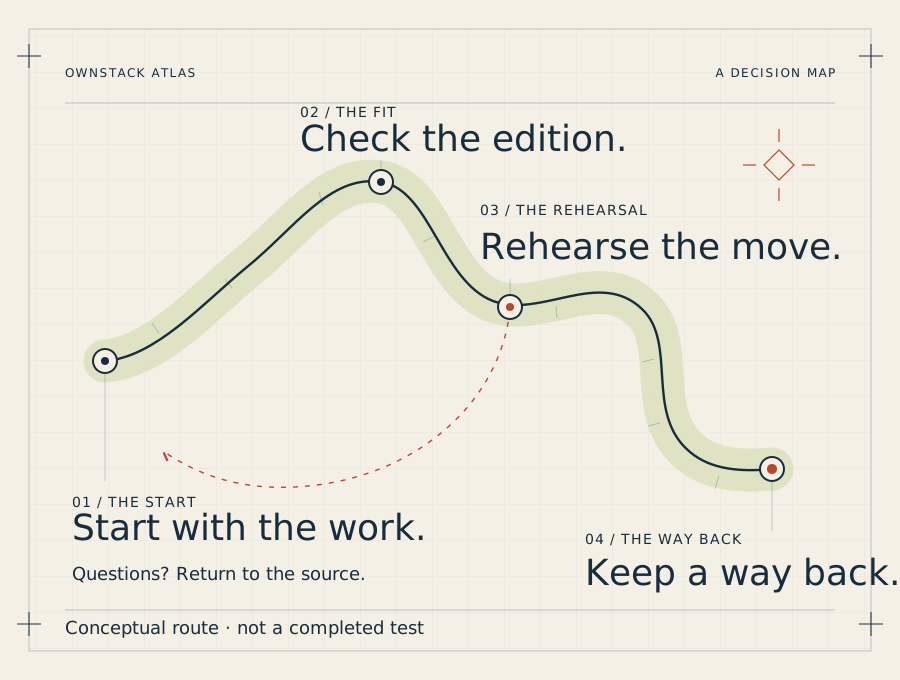
Three tools.
Different starting points.
Collaborative databases sit between a spreadsheet and a working system. Start with the kind of work you need to preserve.
A candidate for teams organizing shared work in structured tables. Evaluate the import path, edition and operating responsibilities before replacing an existing workspace.
Read the field notes ↗02NocoDBA spreadsheet-style platform with a self-hosted option. Start by identifying the edition, intended use and data connection your team needs.
Read the field notes ↗03GristA spreadsheet-centered way to work with structured information. Its document model makes the distinction between a document backup and full installation recovery especially useful.
Read the field notes ↗Look past the interface.
A tool can look right and still change the meaning of your data. Check the relationships, calculations, permissions and recovery path that make the workflow useful.
Baserow and NocoDB: the decisions that matter ↗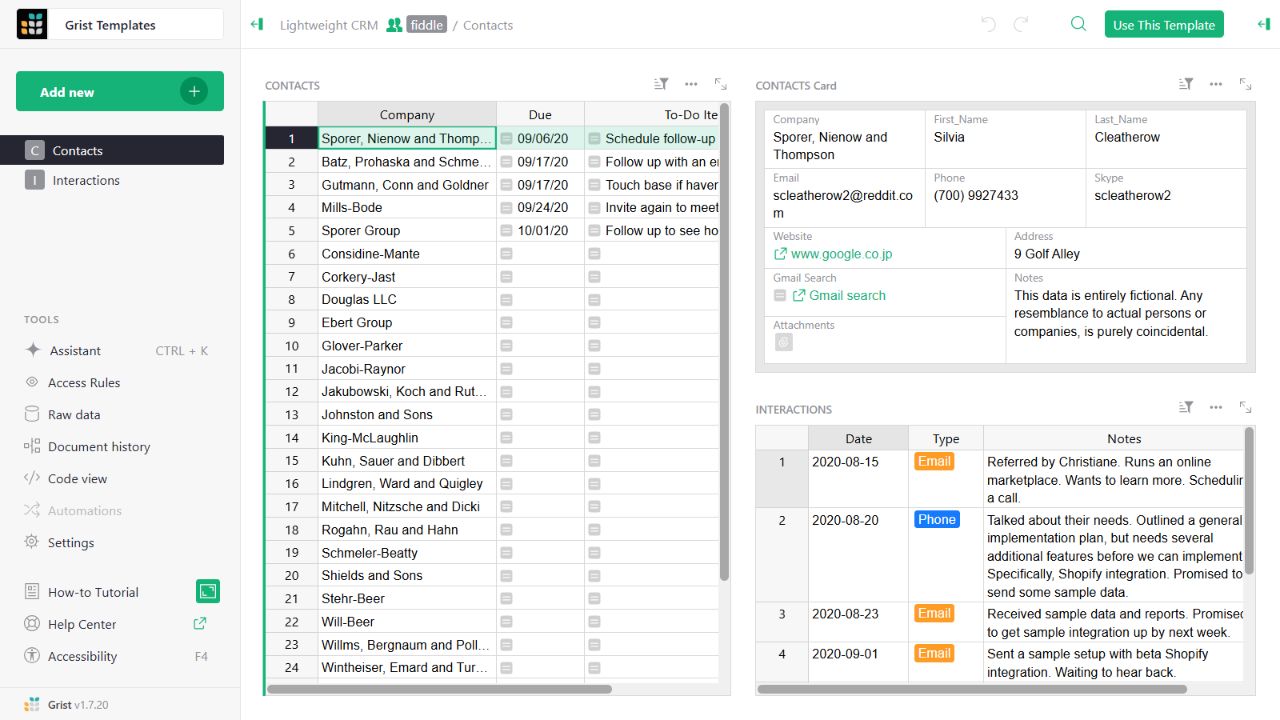
A useful next page.
I’m choosing a replacement.
Build a shortlist around the work you need to keep.
02I’m comparing two tools.
Separate edition facts from assumptions and unknowns.
03I’m preparing to move data.
Define the rehearsal, acceptance checks and way back.
The questions that come after a shortlist: what changes, what needs care, and how do we recover when something goes wrong?